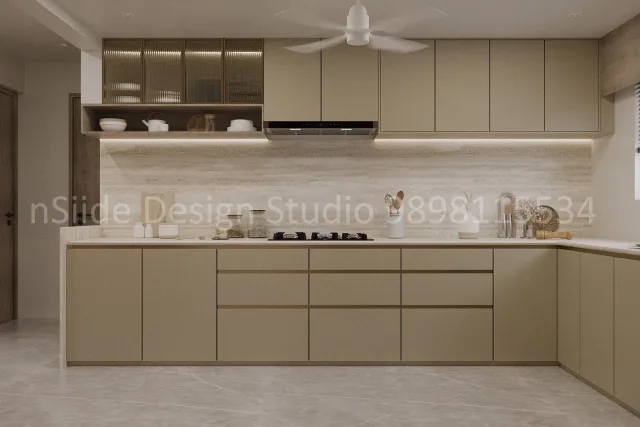

Space Planning in Architecture: The Foundation of Great Interior Design
Have you ever walked into a home that instantly felt organized, spacious, and beautiful—even before noticing the colors, materials, or furniture? That effortless harmony isn’t luck. It’s the result of expert space planning, a crucial architectural process that determines how your home will work, feel, and flow.Many homeowners focus on décor first, but without proper planning, even the most luxurious furniture or materials won’t fix a poorly designed layout.
In this blog, you’ll discover why space planning is the foundation of great interior design, how architects strategically design layouts, and what steps are used to create a functional, aesthetic home. By the end, you’ll understand exactly why every project—small or large—must start with smart space planning. We’ll break down zoning, circulation, furniture placement, measurements, functional needs, lighting planning, and how it all works together. You’ll also learn insider tips from an architectural perspective, ensuring your next interior project is rooted in solid design logic.
What Is Space Planning in Architecture? (Explained Simply)
Space planning is the art and science of organizing interior spaces to ensure they function efficiently and aesthetically. It determines:
-
Where rooms should be placed
-
How people move through the space
-
How furniture fits and flows
-
How natural light enters
-
How the space supports lifestyle needs
It’s the first and most important step in architecture and interior design because it defines the logic behind the design.
In professional practice, architects start with space planning before thinking about materials, colors, or décor. This allows them to maximize space, create synergy between rooms, and deliver designs that feel purposeful and comfortable.
Why Space Planning Is the Foundation of Great Interior Design
Interior design isn’t only about choosing fabrics, furniture, and finishes. True interior design is built on structure, proportions, and functional flow. That foundation comes entirely from architectural space planning.
Here’s why:
1. It Defines Purpose and Function
A room without a defined purpose leads to confusion and clutter. Space planning ensures every square foot has meaning.
For example:
-
A kitchen should support workflow (cooking, prepping, storage).
-
A bedroom must prioritize comfort and privacy.
-
A living room must encourage conversation and movement.
2. It Optimizes Circulation
Good circulation means you can walk naturally without obstruction. Poor circulation results in a cramped, uncomfortable layout.
Architects use circulation paths to ensure the home “breathes.”
3. It Enhances Aesthetics Automatically
A well-planned space looks beautiful even before décor is added.
This is why modern homes often feel cleaner—they follow strong planning principles.
4. It Increases the Value of Your Property
Buyers pay more for homes with efficient layouts.
Floor plans with excellent circulation, usable spaces, and smart zoning perform better in the real estate market.
5. It Reduces Costly Mistakes
Without planning, homeowners make expensive errors:
-
Buying oversized furniture
-
Poor room placements
-
Wasted corners
-
Awkward spaces
Proper planning prevents redesigns, saving time, money, and stress.
Core Principles of Space Planning in Architecture
Below are the fundamentals architects follow when designing exceptional interiors.
1. Zoning: Dividing Space by Function
Zoning separates a home into public, semi-private, and private areas.
Public Zones
-
Living room
-
Dining room
-
Foyer
These areas should feel open, impressive, and welcoming.
Semi-Private Zones
-
Family lounge
-
Study
-
Guest rooms
These act as a transition between public and private spaces.
Private Zones
-
Bedrooms
-
Bathrooms
-
Dressing rooms
These areas prioritize comfort, privacy, and intimacy.
Proper zoning ensures the home aligns with daily routines and lifestyle needs.
2. Circulation: How People Move Through a Space
Circulation refers to movement paths inside a home. A strong layout ensures:
-
No furniture blocks movement
-
You can walk from room to room effortlessly
-
No narrow passages
-
No unnecessary detours
Architects design pathways that feel natural, balanced, and intuitive.
3. Furniture Layout: The Backbone of Interior Design
Even in architecture, furniture is planned early because it shapes the room.
A great furniture layout ensures:
-
Proportionate spacing
-
Correct seating distances
-
Balanced weight distribution
-
Accessibility
Example:
A living room isn’t built around a sofa—it’s built around conversation flow.
The furniture simply supports that purpose.
4. Scale & Proportion: Making the Space Feel Right
One of the biggest reasons interiors feel awkward is incorrect proportion.
Architects consider:
-
Ceiling height
-
Room width
-
Furniture size
-
Window placements
Proper proportions create visual harmony and comfort.
A space that’s balanced always feels luxurious and intentional.
5. Natural Light Planning
Natural light is one of the most powerful design tools.
Architects plan:
-
Window orientation
-
Skylights
-
Sun direction
-
Reflections
-
Shadow patterns
Natural light makes interiors feel larger, warmer, and more alive.
With the right space planning, rooms automatically appear brighter—even before décor is added.
6. Functionality & Lifestyle Mapping
Every family uses their home differently.
Architects study:
-
Cooking habits
-
Entertainment style
-
Work-from-home needs
-
Storage requirements
-
Privacy needs
-
Future growth
This ensures the design fits real life—not just aesthetics.
Example:
A family that entertains frequently needs an open dining-living flow.
Someone who works from home needs zoning that minimizes distraction.
7. Storage Integration in Space Planning
Clutter kills design. So storage must be planned early.
Architects integrate:
-
Built-in wardrobes
-
Loft storage
-
Niche spaces
-
Utility rooms
-
Bathroom storage
-
Kitchen pull-outs
Smart storage makes the home look cleaner and more modern.
How Architects Approach Space Planning (Step-by-Step)
Here’s the process involved in professional space planning.
Step 1: Client Understanding & Lifestyle Study
Before drawing anything, architects gather details about:
-
Family size
-
Daily routines
-
Cultural habits
-
Occupation
-
Storage needs
-
Style preference
This ensures the layout is personal and practical.
Step 2: Site Analysis
Architects study the property:
-
Size
-
Orientation
-
Sunlight
-
Wind direction
-
Surroundings
-
Vastu (if applicable)
This influences room placement and natural light strategies.
Step 3: Conceptual Layout Design
They create rough zoning maps and block plans.
This stage defines:
-
Where bedrooms go
-
Kitchen placement
-
Bathroom layout
-
Entrance flow
-
Living/dining relation
It’s the skeleton of the design.
Step 4: Circulation Path Planning
Movement lines are added to ensure accessibility and comfort.
This prevents tight spaces, dead corners, and awkward passages.
Step 5: Furniture Planning
Furniture is added to scale to test:
-
Room usability
-
Traffic space
-
Comfort levels
-
Aesthetics
This is where the layout starts feeling “real.”
Step 6: Technical Planning
Architects finalize:
-
Electrical points
-
Lighting
-
Plumbing
-
AC and ventilation routes
-
Structural limitations
All decisions now align with the planned layout.
Step 7: Final Space Optimization
Every corner is reviewed for maximum usability.
This results in:
-
Functional kitchens
-
Efficient bedrooms
-
Spacious living rooms
-
Balanced proportions everywhere
Once approved, interior design begins.
Space Planning Mistakes Homeowners Should Avoid
Even well-designed projects fail due to small oversight. Avoid these mistakes:
-
Buying furniture before planning
-
Not considering circulation
-
Ignoring natural light
-
Overfilling the room
-
Not aligning architecture and interior design
-
Forgetting storage needs
-
Placing the kitchen too far from the dining area
-
Using oversized sofas
-
Poor room sequencing
When architecture and interior design work together, these problems disappear.